 Ruben Bisso
Case study · Product · live since July 2026
A generative AI studio you can pay for with Mobile Money.
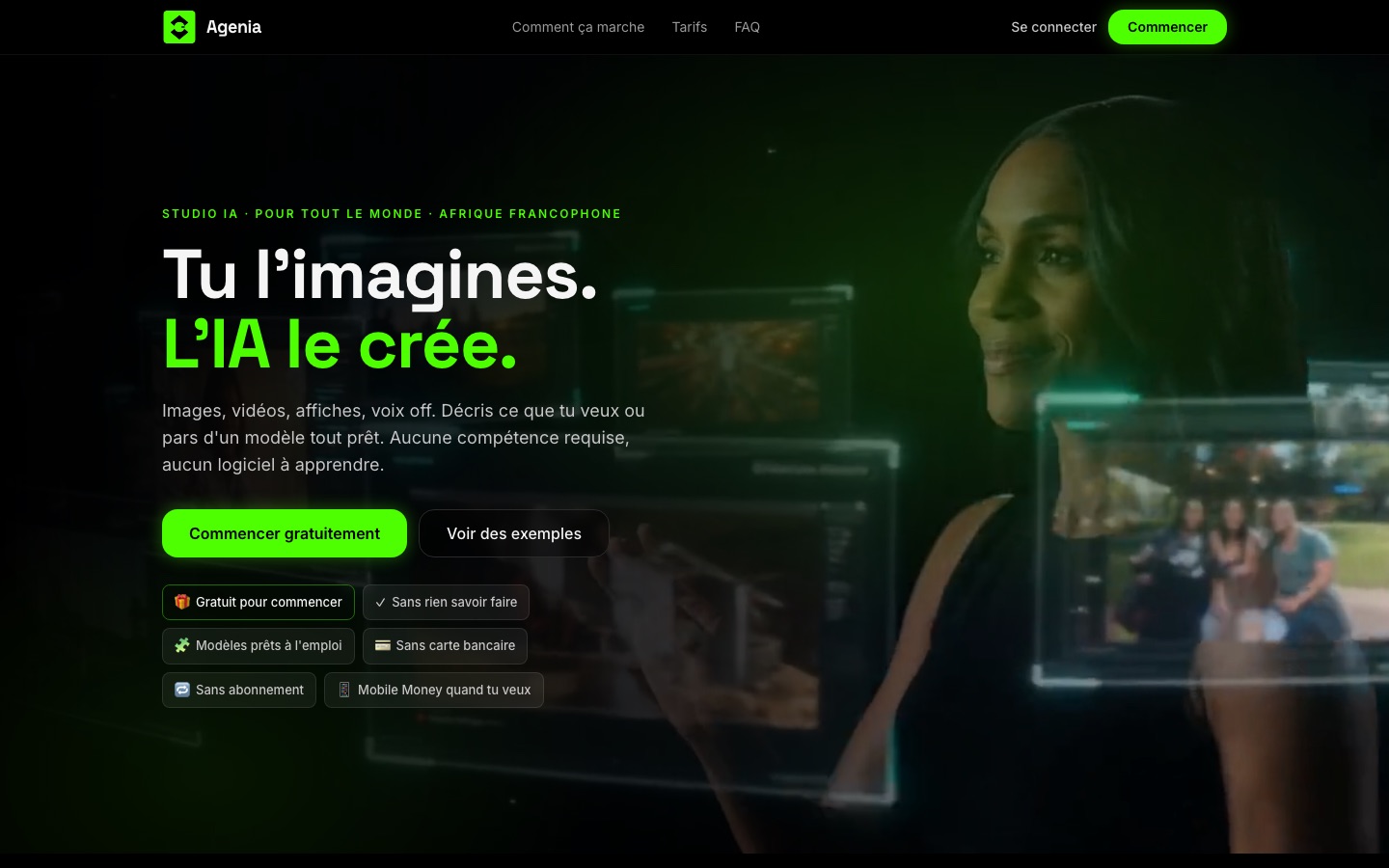
Agenia AI Studio lets non-technical sellers across francophone Africa generate images, video and audio with top models, recharging credits from 500 XAF. No subscription, no bank card, no software to learn.
The wedge
A near-identical competitor already existed. We were not first, so novelty was not the play. The wedge is access: most people in the target market have Mobile Money and no bank card, so every subscription-based AI tool is locked to them by the payment form alone. Pay-as-you-go credits, a low floor, and in-app training for people who have never written a prompt.
What I built
- The PWA. Mobile-first, floating bottom navigation, installable. French copy throughout, tutoiement, no jargon.
- Credit and wallet model. Credits priced in XAF per model, holds placed before generation and released or captured on completion, with a reconciliation cron that catches anything the webhook missed.
- Payment integration. Mobile Money collection with dual-key auth and HMAC-verified webhooks. Idempotency keys on every payment event so a retried webhook never double-credits.
- Provider abstraction. One interface in front of kie.ai as primary and fal.ai as fallback, so image and video models swap without touching product code. Chinese models (Wan, Hailuo, Z-Image) added later through the same seam.
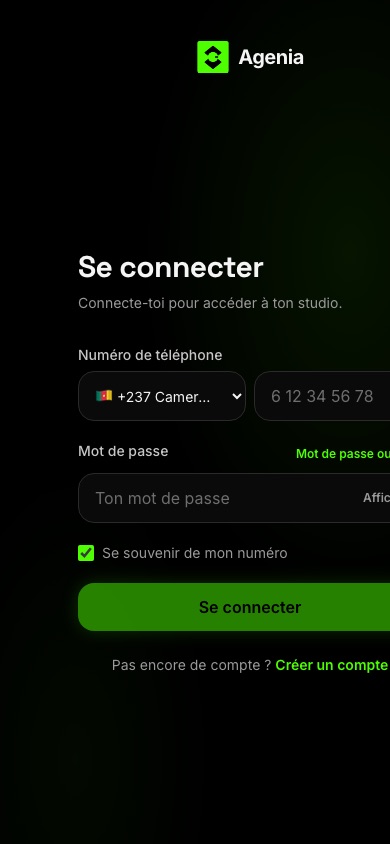
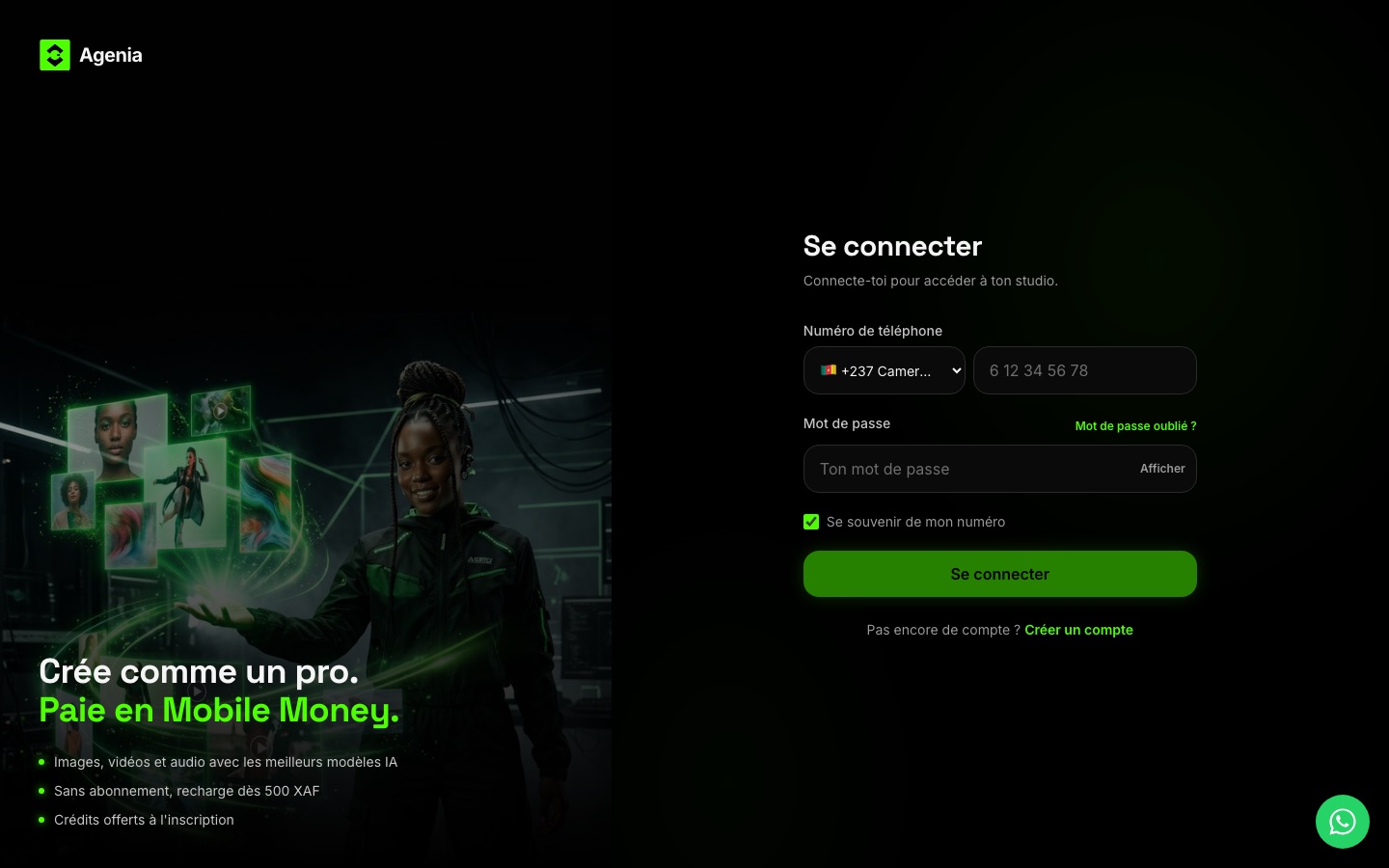
- Auth over WhatsApp. Phone-number sign-in with an OTP delivered on WhatsApp, because that is where the users already are.
- Scale guards. Per-user concurrency caps, signature verification, structured error pages after a Chrome auto-translate bug was unmounting React mid-navigation.
The safeguards that only matter once real traffic arrives are the ones worth building before it does.
How it was built
Scaffolded and shipped with Claude Code as the daily driver, on Next.js 14, Supabase and Vercel. Twenty landing visuals generated through the same provider layer the product uses, then compressed from 15 MB to 1.8 MB for 3G. The economics were modelled per model and per pack before a single credit was sold, so pricing is a margin decision, not a guess.
What I learned
Testers often test a version older than the one deployed. Dating every piece of feedback and checking production before treating a bug as open saved more time than any tool. And the first users did not want more models, they wanted help writing the first prompt. The in-app academy came from that.